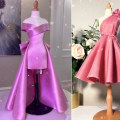
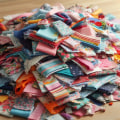
Choosing fabrics like a designer is one of the most transformative steps you can take in elevating your DIY projects. While patterns and sewing techniques are important, seasoned designers know that fabric selection is the true foundation of any successful garment. The right textile can enhance structure, improve drape, and bring your creative vision to life, while the wrong one can make even the best design feel unfinished. Approaching fabric shopping with a designer’s mindset means considering texture, weight, movement, and how the material interacts with the body. It’s about visualizing the final outcome before the first cut is made.
Understanding Fabric Weight and Structure
Professional designers carefully evaluate fabric weight and structure to match their intended silhouette. Lightweight materials like chiffon or voile create flowy, romantic shapes, perfect for airy blouses or layered skirts. Medium-weight fabrics such as cotton sateen or crepe offer versatility and structure without stiffness, making them ideal for dresses or tailored pieces. Heavier textiles like brocade or wool provide dramatic shape and durability for jackets or statement garments. When selecting fabrics for your DIY project, think about how the material will hold seams, pleats, or gathers. Designers often test drape by allowing fabric to fall naturally, observing how it moves and folds before committing to a final choice.
Considering Texture and Finish
Texture plays a crucial role in giving depth and sophistication to any project. Smooth satins evoke elegance, linen brings relaxed charm, and lace introduces intricate detail. Designers understand that texture can subtly change the mood of a garment. For example, a simple silhouette crafted from textured jacquard instantly feels more elevated than the same shape in plain cotton. When visiting fabric stores or boutiques, pay attention to how materials reflect light and how they feel against your skin. Drawing inspiration from curated fashion spaces such as Wedding Gallery, where fabric selection and presentation emphasize refinement, can help you train your eye to spot textiles that look and feel luxurious.
Matching Fabric to Function
A designer never overlooks practicality. Consider the purpose of your DIY creation before finalizing your fabric choice. Stretch fabrics are excellent for fitted pieces that require mobility, while structured wovens are better suited for crisp, architectural designs. Breathability is also important, especially for warm-weather garments. Think about maintenance as well—some fabrics require delicate care, while others are more forgiving. Aligning fabric properties with functionality ensures that your project is not only beautiful but also wearable and comfortable.
Playing With Color and Pattern
Color and pattern selection can dramatically influence the overall impact of your DIY piece. Designers often choose hues that complement skin tones or align with seasonal trends. Bold prints can make a simple design stand out, while neutral shades highlight tailoring and craftsmanship. Consider how patterns scale with your garment size—large prints may overwhelm smaller designs, while subtle motifs add quiet interest.
Elevating Your DIY Vision
Ultimately, choosing fabrics like a designer requires intentionality and confidence. By analyzing weight, texture, functionality, and visual appeal, you move beyond impulse buying and toward strategic selection. This thoughtful process transforms DIY projects from simple sewing tasks into creative expressions of style and craftsmanship. With practice, you’ll begin to see fabric not just as material, but as the defining element that brings your design vision to life.