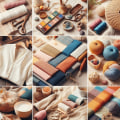
Fabric selection is one of the most important decisions you will make when starting a DIY fashion project. While patterns, techniques, and embellishments all play a role in the final outcome, the fabric itself determines how the garment feels, drapes, and ultimately looks when worn. Choosing the right material can elevate even the simplest design into something that looks polished and professionally made. On the other hand, selecting the wrong fabric can make construction more difficult and diminish the overall aesthetic. Understanding texture, weight, stretch, and structure allows you to match fabric characteristics with your creative vision.
Understanding Texture, Weight, and Drape
Every fabric behaves differently, and learning how texture and weight affect your project is key to success. Lightweight fabrics like chiffon and silk create soft, flowing silhouettes that work beautifully for blouses and dresses. Medium-weight fabrics such as cotton blends or crepe provide structure without sacrificing comfort, making them ideal for everyday wear. Heavier fabrics like brocade or wool add drama and shape, perfect for statement jackets or structured skirts. The drape of a fabric—how it falls and moves—directly impacts the garment’s silhouette. Paying attention to these qualities ensures that your finished piece looks intentional and refined rather than stiff or ill-fitting.
Enhancing Craftsmanship Through Quality Materials
High-quality fabrics not only look better but are also easier to sew and more durable over time. Premium materials tend to fray less, hold seams securely, and maintain their color and texture after washing. Investing in better fabric can instantly elevate the appearance of your DIY creation, giving it a boutique-quality finish. Observing the craftsmanship standards of professional ateliers, such as House Of Luxe Bridal Atelier, highlights how carefully chosen materials enhance intricate designs and precise tailoring. While your project may be smaller in scale, applying the same thoughtful approach to fabric selection can dramatically improve your results.
Matching Fabric to Design Intent
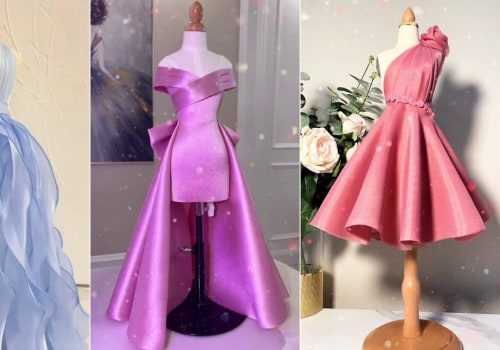
Successful DIY fashion projects begin with aligning fabric choice to the intended design. If you are creating a structured blazer, opt for fabrics with body and stability. For relaxed loungewear, prioritize softness and flexibility. Stretch fabrics are excellent for fitted garments that require ease of movement, while non-stretch woven fabrics are better suited for crisp silhouettes. Additionally, consider how the fabric interacts with details such as pleats, gathers, or embroidery. Certain textiles highlight embellishments beautifully, while others may overwhelm delicate accents. Taking the time to test swatches, drape fabric over a dress form, or pin it into shape can help you visualize the final outcome before committing.
Color, Pattern, and Visual Impact
Fabric selection also influences the visual story of your DIY piece. Bold prints can transform a simple pattern into a standout garment, while neutral tones emphasize clean lines and tailoring. Texture adds another dimension—lace conveys elegance, satin exudes sophistication, and linen offers a relaxed charm. When thoughtfully combined with the right design, these elements create a cohesive and elevated look.
Turning DIY Into Designer-Inspired Creations
Ultimately, fabric is the foundation that determines whether your DIY fashion project looks homemade or designer-inspired. By understanding weight, texture, quality, and visual appeal, you can make informed decisions that enhance both the construction process and the finished garment. Thoughtful fabric selection transforms creative ideas into wearable pieces that feel luxurious, comfortable, and uniquely yours.