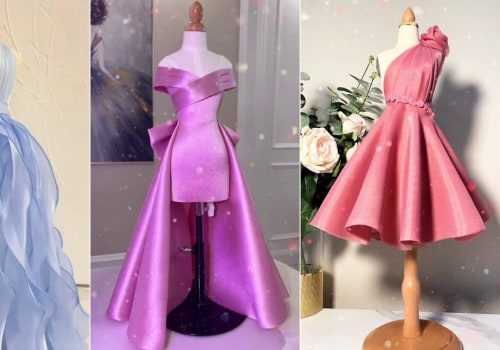
Embellishments are one of the most effective ways to transform simple garments into eye-catching, personalized pieces. In DIY fashion design, adding decorative elements allows you to elevate basic clothing and reflect your unique style. From subtle accents to bold statement details, embellishments can dramatically change the overall look and feel of a design. Many high-end boutiques, showcase how intricate details like lace appliqués and beadwork can enhance a garment’s elegance, offering inspiration for DIY creators who want to achieve a similar refined finish at home.
Choosing the Right Embellishments
Selecting the right type of embellishment is essential for achieving a cohesive design. Popular options include beads, sequins, embroidery, lace, rhinestones, patches, and fabric paint. Each type offers a different aesthetic—beads and sequins add sparkle, while embroidery provides texture and artistry. When choosing embellishments, consider the fabric and purpose of the garment. Lightweight fabrics pair well with delicate details, while heavier materials can support more elaborate designs. It’s also important to think about color coordination and placement to ensure the embellishments complement rather than overpower the piece.
Techniques for Applying Embellishments
There are several methods for adding embellishments, depending on the materials you’re using and the desired result. Hand sewing is one of the most reliable techniques, especially for beads, sequins, and appliqués, as it offers precision and durability. Fabric glue is a quicker alternative for beginners, though it may not be as long-lasting. For more advanced designs, embroidery machines or heat-transfer tools can help create intricate patterns efficiently. Regardless of the method, patience and attention to detail are key to achieving a polished, professional look.
Strategic Placement for Maximum Impact
Where you place embellishments can make a significant difference in the overall design. Strategic placement draws attention to specific areas, such as the neckline, sleeves, or hemline. For example, adding embellishments to the shoulders can create a bold, structured look, while detailing along the waist can enhance the garment’s silhouette. Symmetry often creates a classic and balanced appearance, but asymmetrical designs can add a modern, artistic touch. Experimenting with placement allows you to discover what works best for your style and the garment you’re designing.
Balancing Design and Functionality
While embellishments add beauty, it’s important to maintain the functionality and comfort of the garment. Overloading a piece with heavy decorations can make it uncomfortable to wear or difficult to care for. Consider the weight and flexibility of the embellishments, especially for garments that require movement. It’s also wise to test a small section before committing to the entire design to ensure durability and ease of maintenance. Striking the right balance between aesthetics and practicality ensures your creation is both stylish and wearable.
Personalizing Your Creations
One of the greatest advantages of DIY fashion design is the ability to personalize your clothing. Embellishments provide an opportunity to tell a story or express your individuality. Whether you’re adding initials, meaningful symbols, or unique patterns, these details make your garments truly one-of-a-kind. You can also repurpose old clothing by adding new embellishments, giving them a fresh and updated look. This approach not only saves money but also promotes sustainable fashion practices.
Conclusion
Adding embellishments to your clothing is a creative and rewarding aspect of DIY fashion design. By choosing the right materials, mastering application techniques, and thoughtfully placing decorative elements, you can transform ordinary garments into standout pieces. With practice and experimentation, embellishing becomes a powerful tool for expressing your personal style while achieving a professional, boutique-inspired finish.