DIY fashion design has become increasingly popular as more people turn to online tutorials to learn new skills and express their creativity. With access to countless videos, guides, and step-by-step instructions, aspiring designers can now build their knowledge without formal training. Whether you are interested in sewing your own clothes, altering existing pieces, or creating entirely new designs, online tutorials provide the flexibility to learn at your own pace. This accessibility has made fashion design more inclusive, allowing anyone with interest and dedication to get started.
Finding the Right Online Resources
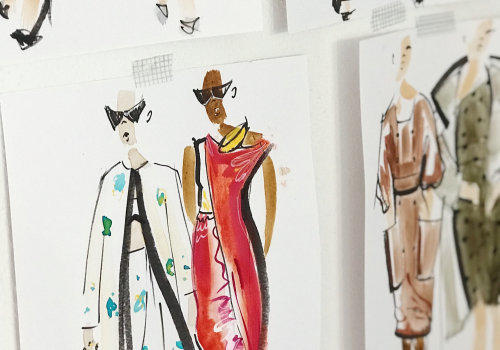
The success of your DIY fashion journey depends heavily on the quality of tutorials you follow. Platforms like video-sharing websites, online learning communities, and fashion blogs offer a wide range of content tailored to different skill levels. Beginners can start with basic sewing lessons, while more advanced learners can explore pattern drafting and garment construction. Observing how professional brands present their collections, can also provide inspiration and a better understanding of design standards and aesthetics.
Matching Tutorials to Your Skill Level
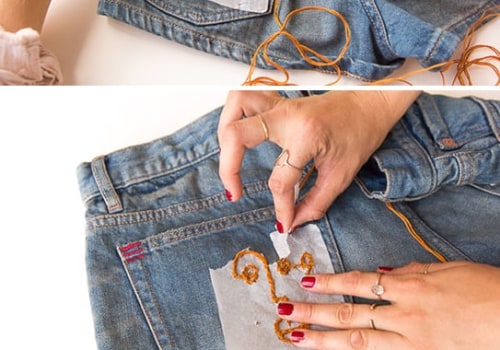
Choosing tutorials that align with your current abilities is essential for steady progress. Beginners should focus on mastering foundational techniques such as threading a sewing machine, cutting fabric accurately, and understanding patterns. Intermediate learners can move on to more complex projects like fitted dresses or structured garments. Advanced designers may explore couture techniques, including draping and detailed embellishments. By progressing gradually, you can build confidence and avoid feeling overwhelmed.
Practicing What You Learn
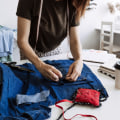
Watching tutorials alone is not enough to develop strong fashion design skills. Consistent practice is crucial for turning knowledge into ability. Start with simple projects like tote bags or basic tops before attempting more intricate designs. Repetition helps improve precision and efficiency, allowing you to refine your techniques over time. Keeping a record of your projects, including notes on what worked and what didn’t, can also help you track your growth and identify areas for improvement.
Essential Tools and Materials
To fully benefit from online tutorials, having the right tools and materials is important. A basic sewing kit should include a sewing machine, fabric scissors, measuring tape, pins, and thread. As your skills advance, you may invest in additional tools such as a dress form or specialized equipment. Fabric selection also plays a key role—starting with easy-to-handle materials like cotton can make learning smoother, while more delicate fabrics can be introduced later. Proper tools and materials contribute to better results and a more enjoyable learning experience.
Staying Inspired and Creative
One of the greatest advantages of online tutorials is the constant source of inspiration they provide. Following designers and DIY creators on social media can expose you to new ideas, trends, and techniques. Don’t be afraid to experiment and adapt tutorials to suit your personal style. Creativity often comes from exploring different approaches and adding your own unique touch to each project. Engaging with online communities can also provide valuable feedback and encouragement.
Conclusion
DIY fashion design, supported by online tutorials, offers an accessible and rewarding way to develop creative skills. By choosing the right resources, practicing consistently, and using proper tools, you can create garments that reflect your personal style and vision. With patience and dedication, online learning can transform your passion for fashion into a fulfilling and productive journey.