Exploring fabrics for DIY fashion design from a bridal shop perspective opens up a world of elegance, texture, and creativity. Bridal shops are known for their refined selection of materials, each chosen to enhance the beauty and structure of a garment. For DIY designers, understanding these fabrics is essential in achieving a polished and professional look. Bridal fabrics are not only about aesthetics but also about how they move, drape, and complement the wearer. Observing curated collections from boutiques like The One Bridal Salon can provide valuable insight into how different textiles are combined to create cohesive and sophisticated designs.
Popular Fabric Choices in Bridal Design
Bridal fashion heavily relies on a selection of classic and luxurious fabrics. Satin is favored for its smooth finish and subtle sheen, making it ideal for structured gowns. Tulle, on the other hand, is lightweight and airy, often used for skirts and veils to create volume without heaviness. Lace is perhaps the most iconic bridal fabric, known for its intricate patterns and romantic appeal. Chiffon offers a soft, flowing quality that works well for layered designs, while organza provides a crisp texture that holds shape beautifully. For DIY designers, experimenting with these fabrics allows for a deeper understanding of how each material contributes to the overall design.
Combining Textures for Depth and Dimension
One of the key techniques used in bridal shops is the art of layering fabrics to create depth and dimension. Combining materials such as lace over satin or tulle over chiffon adds visual interest and enhances the garment’s complexity. This approach can be applied in DIY fashion design to elevate even simple silhouettes. Mixing textures thoughtfully ensures that each layer complements the others rather than competing for attention. By studying how professional designers balance these elements, you can recreate a similar sense of harmony in your own creations.
Practical Considerations When Working with Bridal Fabrics
While bridal fabrics are beautiful, they can also be challenging to work with. Many of these materials are delicate and require careful handling to avoid damage. For example, lace can snag easily, and chiffon may shift during cutting and sewing. Using the right tools, such as sharp scissors and fine needles, can make a significant difference. It’s also important to practice on small fabric samples before committing to a full project. Understanding how each fabric behaves during sewing and finishing will help you achieve better results and reduce the risk of mistakes.
Adapting Bridal Fabrics for Everyday Wear
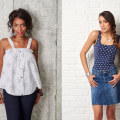
Although bridal fabrics are often associated with formal occasions, they can be adapted for everyday fashion with a bit of creativity. Incorporating lace accents into casual tops or using chiffon for flowy skirts can bring a touch of elegance to daily outfits. DIY designers can experiment with blending bridal elements into modern styles, creating pieces that are both wearable and unique. This approach allows you to enjoy the beauty of luxurious fabrics without limiting them to special events.
Enhancing Designs with Finishing Touches
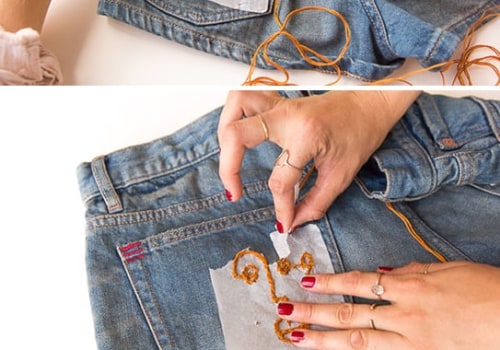
The final stage of working with bridal fabrics involves refining the garment with thoughtful finishing touches. Proper hemming, lining, and pressing are essential to ensure a clean and professional appearance. Adding subtle embellishments, such as beads or embroidery, can further enhance the design without overwhelming the fabric. Attention to detail is what sets bridal-inspired designs apart, making them look polished and well-crafted.
Conclusion
Exploring fabrics from a bridal shop perspective provides DIY fashion designers with valuable knowledge and inspiration. By understanding the properties of different materials, experimenting with textures, and mastering handling techniques, you can create garments that reflect the elegance and sophistication of bridal fashion. With practice and creativity, these fabrics can be transformed into stunning designs that showcase both skill and personal style.